 By ukluxury
Luxury watches like Breitling carry a reputation built on precision, craftsmanship, and heritage. That’s exactly why they’re frequently replicated. Some fakes are easy to detect, but others are surprisingly convincing at first glance. If you’re planning to buy one—especially from a non-authorized seller—it’s important to know what separates the real thing from a replica.
Check the Weight and Feel
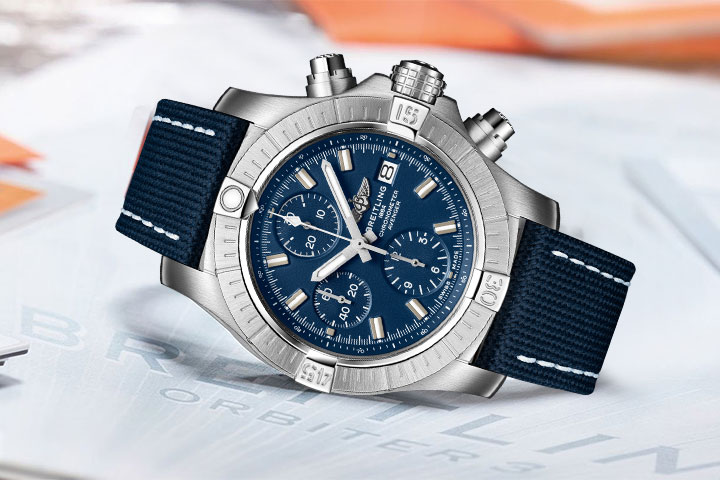
A genuine Breitling watch feels solid and substantial. High-quality materials like stainless steel, sapphire crystal, and precise internal components give it noticeable weight. Swiss replica watches often feel lighter because they use cheaper materials. When you hold the watch, it should feel balanced and premium, not hollow or flimsy.
Examine the Dial Details
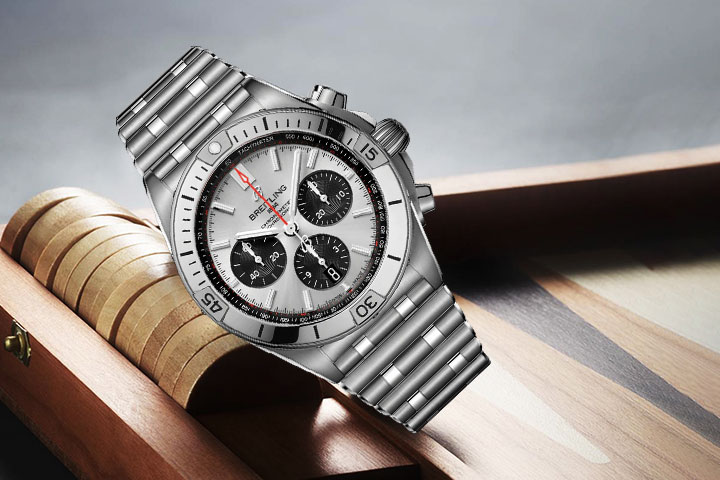
Breitling is known for meticulous dial craftsmanship. Look closely at the logo, numbers, and subdials. On an authentic piece, the printing is crisp, evenly spaced, and perfectly aligned. Replicas often have slightly blurred text, uneven spacing, or misaligned markers. Even small imperfections are a red flag, because genuine luxury watches are manufactured with extreme precision.
Inspect the Movement
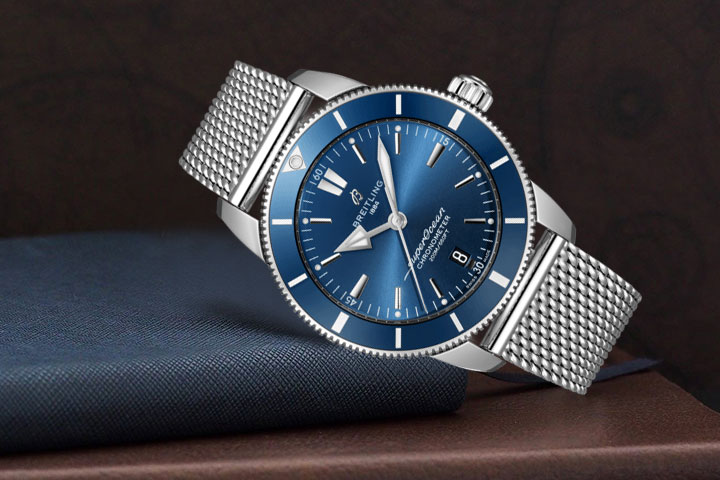
If you have access to the movement (or can observe the second hand), this is one of the biggest giveaways. Most Breitling watches use automatic or mechanical movements with a smooth sweeping second hand. Quartz replicas tend to “tick” once per second rather than glide smoothly. If the movement is visible through a transparent case back, the finishing should look refined—not rough or overly simple.
Look at the Case Back Engraving
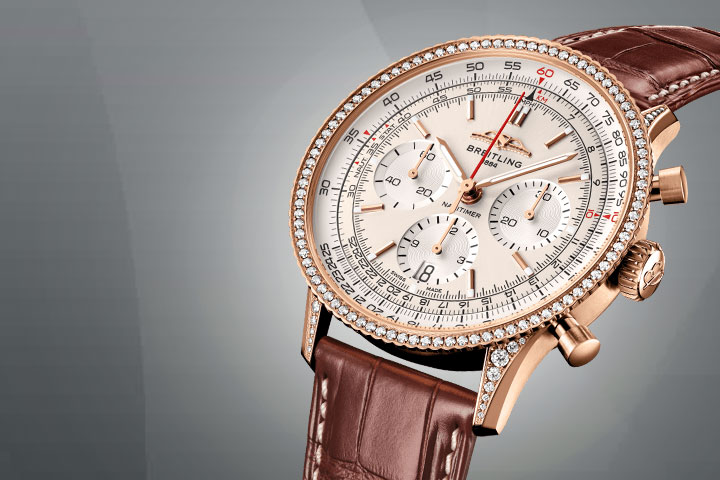
The case back of a real Breitling watch includes clean, deep engravings with consistent fonts. Serial numbers, model numbers, and branding should be sharp and easy to read. Fake watches often have shallow or poorly etched markings, sometimes even with spelling mistakes or inconsistent fonts.
Pay Attention to the Crystal
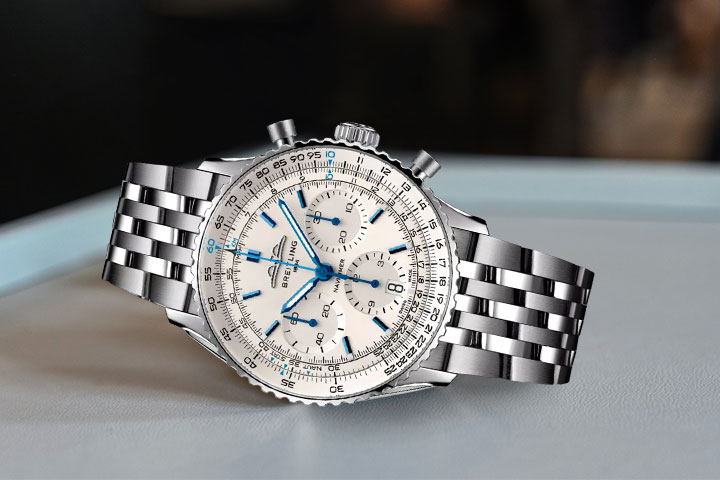
Authentic Breitling watches use sapphire crystal, which is highly scratch-resistant and often treated with anti-reflective coating. When you tilt the watch under light, you may notice a subtle blue hue from the coating. Replica breitling watches often use mineral glass, which reflects more light and lacks that premium clarity.
Check the Chronograph Function
If the model includes chronograph features, test them. On a real Breitling, all subdials and pushers function smoothly and accurately. In many replicas, the subdials are decorative or don’t work properly. Buttons may feel stiff or unresponsive, which is a clear warning sign.
Verify the Serial Number
Every genuine Breitling watch has a unique serial number. You can often verify this number through official channels or by consulting an authorized dealer. If the watch has no serial number, or if it appears duplicated across multiple pieces, it’s almost certainly a fake.
Evaluate the Price and Seller
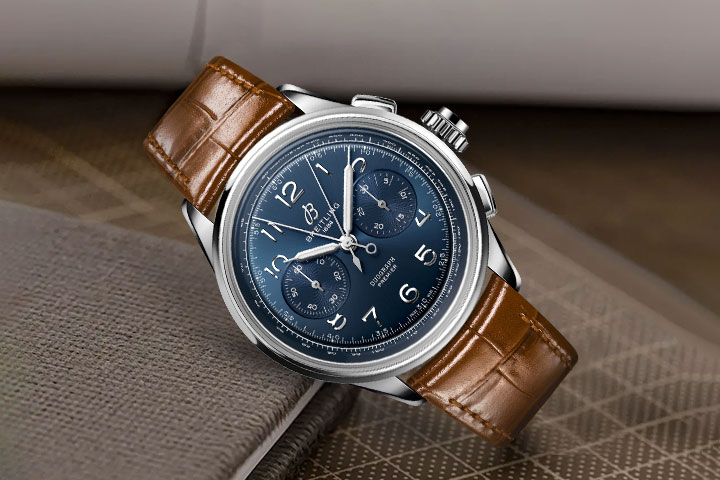
If the deal seems too good to be true, it probably is. Breitling watches hold their value, and significant discounts are rare unless you’re buying pre-owned from a reputable source. Always research the seller, check reviews, and avoid marketplaces where authenticity isn’t guaranteed.
Packaging and Documentation Matter
Authentic Breitling watches come with high-quality packaging, warranty cards, and documentation. The box should feel sturdy and well-made, not cheap or poorly finished. Missing or low-quality packaging doesn’t automatically mean the watch is fake—but it should make you more cautious.
Trust Your Instincts
Sometimes the smallest details give things away—a slightly off logo, an unusual ticking sound, or a finish that doesn’t look quite right. If something feels off, it’s worth getting a second opinion from a professional watchmaker or authorized dealer before making a purchase.
Buying a Breitling should feel like owning a piece of engineering excellence. Taking the time to inspect these details can save you from an expensive mistake and ensure you’re getting the real craftsmanship the brand is known for.